Wondering why one part of Lubbock feels full of classic brick ranch homes while another has cottages, stucco details, or newer homes with a more uniform look? That variety is one of the most interesting parts of buying a home in Lubbock. When you understand the architectural styles around the city, you can better predict maintenance, lot size, neighborhood feel, and even what updates may come with the home. Let’s dive in.
Why Lubbock Has So Much Variety
Lubbock does not have one single dominant home style. The city’s housing stock includes early central neighborhoods, postwar single-family homes, newer master-planned subdivisions, and rural-residential properties around the edges of town.
That mix makes sense when you look at the local housing story. The City of Lubbock reports that 64% of residential properties are one-unit detached structures, and many owner-occupied and renter-occupied homes were built before 1980. Older housing is concentrated more in central Lubbock inside Loop 289, while newer growth has spread south and southwest.
Lubbock’s rapid growth after World War II also shaped what you see today. The city’s planning materials show population growth from 31,853 in 1940 to 128,691 in 1960. That helps explain why postwar housing, especially ranch-style homes, remains such a visible part of the market.
Brick Ranch Homes in Lubbock
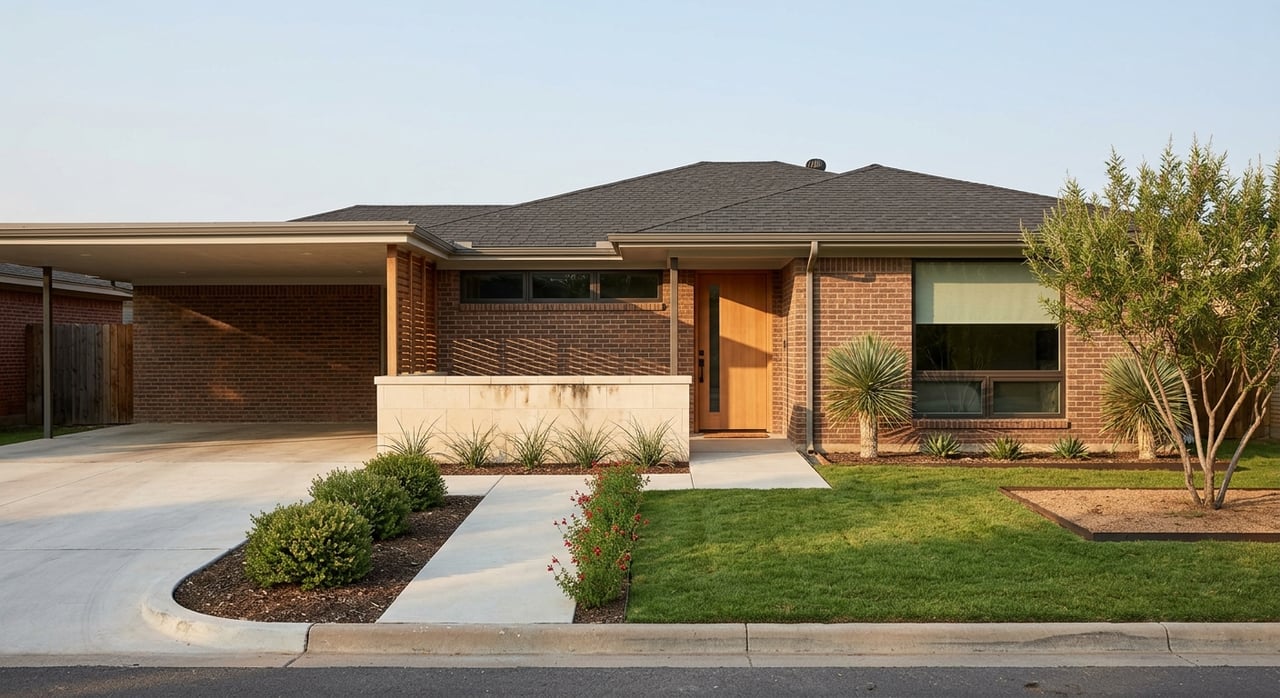
If you picture a classic established Lubbock neighborhood, there is a good chance you are picturing a ranch home. Ranch-style homes are typically one story with low rooflines, broad eaves, and simple layouts. Many also include attached garages or carports.
In Lubbock, these homes often feel practical and approachable. Their simpler exterior design can make them feel easier to maintain than a more detailed historic home, even though age still matters. Many homes built before 1980 may need closer attention to items like HVAC, windows, plumbing, insulation, or roofing.
For many buyers, ranch homes hit a comfortable middle ground. You may get an established neighborhood, a straightforward floor plan, and a price point that can be more approachable than some larger or newer homes. Citywide, Lubbock’s median sale price was $235,000 in March 2026, and market data also showed meaningful sales activity below $200,000.
What to Expect From Ranch Homes
- One-story living
- Simple rooflines and broad front elevations
- Established lots and mature surroundings in many areas
- A practical layout that can work well for first-time buyers or downsizers
- Older systems that may call for updates depending on condition
Older Styles Near Central Lubbock
If you are drawn to homes with more architectural character, central Lubbock can look very different from postwar subdivisions. Near the inner core and areas around Texas Tech, you are more likely to see older homes with porches, deeper rooflines, decorative trim, masonry or stucco details, and homes on smaller urban lots.
One of the clearest examples is South Overton. The City of Lubbock says South Overton was platted in 1907 as the city’s first residential subdivision, and the South Overton Residential Historic District was listed on the National Register of Historic Places in 1996.
City preservation records tie South Overton to several early-20th-century styles, including:
- American Foursquare
- Craftsman
- Bungalow
- Mission Revival
- Spanish Revival
- Prairie
- Tudor Revival
- Victorian
These homes often appeal to buyers who want character and a sense of architectural detail that newer homes may not offer. At the same time, older homes can come with a different renovation experience, especially when original materials or historic features are involved.
South Overton and Historic Character
In South Overton, exterior changes are more regulated than in a typical subdivision. The city’s design standards require new structures and certain exterior work to match the district’s historic character, including rules around styles, materials, and roofs.
That does not make buying there a bad idea. It simply means you should go in with clear expectations. If you love the look and history of an older home, the added care may feel worth it.
Newer South and Southwest Neighborhoods
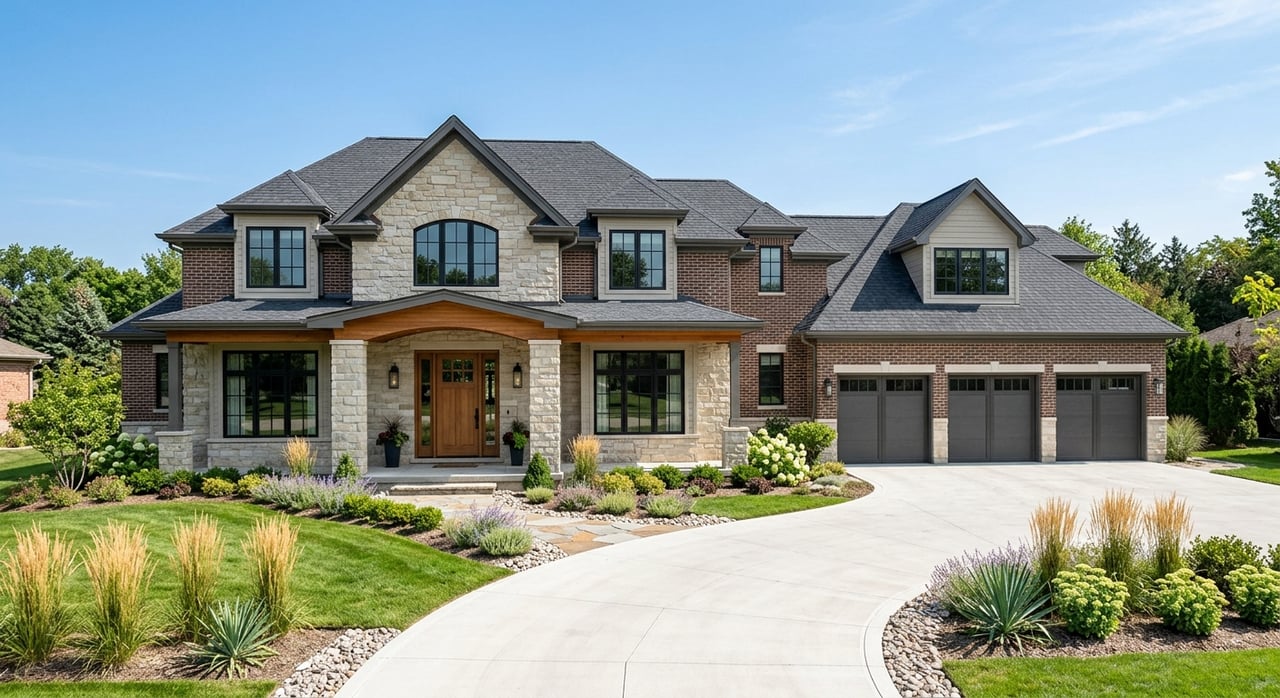
Lubbock’s growth today is heavily tied to newer neighborhoods in the south and southwest. The city’s planning materials describe these as low-density residential areas that include traditional subdivisions and master-planned developments.
Two examples named in city materials are Bell Farms in South Lubbock and Vintage Township south of 114th Street. Bell Farms began construction in 2017 and is planned for 2,969 homes. Vintage Township is a 320-acre subdivision with homes ranging from roughly 1,500-square-foot cottages to 5,000-square-foot manors.
These neighborhoods often attract buyers who want newer systems, a more consistent streetscape, and built-in neighborhood features. City public improvement district pages show that communities like these may include parks, trails, landscaping, and lighting.
Why Buyers Choose Newer Subdivisions
Newer neighborhoods can offer a smoother move-in experience because major systems are newer from day one. You may also like the more predictable curb appeal and neighborhood planning.
The tradeoff is that the total monthly cost can be higher when you combine a newer home, a larger footprint, and any district assessments. For many buyers, though, the appeal of lower immediate repair needs and planned amenities makes that tradeoff worthwhile.
Homes With Acreage Around Lubbock
If your ideal property includes more land, more privacy, or space for equipment and outbuildings, you may be looking at rural-residential housing on the edge of Lubbock. Plan Lubbock 2040 makes a clear distinction between low-density subdivisions and rural-residential areas.
Rural-residential properties are generally on larger lots, often over 20,000 square feet, and may be inside or outside city limits. Depending on the property, utilities may involve private wells, rural water supply corporations, or on-site sewage facilities.
These homes can offer flexibility that is hard to find in a traditional subdivision. You may have more room for a shop, storage, or simply more separation from neighboring homes. You should also expect more owner responsibility because fencing, drainage, driveways, land care, and utility setup all matter more on larger properties.
Climate Matters on Larger Lots
Lubbock’s semi-arid climate plays a role here too. NOAA describes the area as having high winds, dust, hail, and variable precipitation.
That means roofs, exterior finishes, irrigation, and landscaping can need more attention, especially on acreage. If you are comparing a neighborhood home to a property with land, this upkeep difference is worth factoring into your budget and your time.
How Style Affects Your Decision
Architectural style is not just about looks. In Lubbock, style often gives you clues about age, location, maintenance expectations, and daily lifestyle.
A ranch home in an established neighborhood may offer a practical layout and a familiar price point. A historic home near central Lubbock may give you character and architectural detail but require more thoughtful upkeep. A newer home in south or southwest Lubbock may offer modern systems and neighborhood amenities. A home with acreage may provide privacy and flexibility but ask more of you as an owner.
A Quick Style Comparison
| Style or Setting | Often Appeals To | Typical Considerations |
|---|---|---|
| Brick ranch or postwar home | First-time buyers, downsizers, practical buyers | Older systems, established neighborhoods, simpler layouts |
| Early-20th-century central home | Buyers who want character and proximity to central Lubbock or Texas Tech | More upkeep, possible design constraints in historic areas |
| Newer south or southwest subdivision | Buyers who want newer construction and community amenities | Higher all-in monthly costs may apply |
| Rural-residential or acreage property | Buyers who want land, privacy, and flexibility | More land and utility maintenance |
Are Older Homes Always More Expensive?
Not necessarily. Local market data shows that Lubbock still had meaningful sales activity below $200,000 in March 2026, even with a citywide median sale price of $235,000.
That means an older home can still be an accessible option depending on its condition, updates, size, and location. The better question is usually not just How old is it? but How well has it been maintained, and what work might come next?
What Buyers Should Watch For
As you tour homes across Lubbock, style can help you ask smarter questions. It is one of the easiest ways to connect what you see on the outside with what ownership may feel like over time.
Keep an eye on:
- Approximate build era
- Roof condition and exterior materials
- Window age and efficiency
- HVAC and plumbing updates
- Lot size and outdoor upkeep
- Any neighborhood or district rules that may affect exterior changes
If a home was built before 1980, it may also fall into the city’s lead-paint risk category. That does not automatically make it the wrong choice, but it is an important part of understanding the full picture.
Finding the Right Fit in Lubbock
The good news is that Lubbock offers options for a wide range of buyers. You can find practical brick homes in established neighborhoods, character-rich homes near the inner core, polished newer homes in growing subdivisions, and properties with land on the city’s fringe.
The key is matching the style of home to the way you want to live. When you know how architecture connects to maintenance, budget, and location, you can shop with more confidence and fewer surprises.
If you want help narrowing down which home style fits your goals in Lubbock, The Lindsey Bartley Team can guide you through the options with local insight and a clear, low-stress process.
FAQs
What architectural styles are common in Lubbock, Texas?
- Lubbock includes a mix of brick ranch homes, early-20th-century styles in older central neighborhoods, newer homes in south and southwest subdivisions, and rural-residential homes with acreage around the fringe.
Where can you find historic-style homes in Lubbock?
- South Overton is one of the best-known references for older architectural styles in Lubbock, with homes tied to styles such as American Foursquare, Craftsman, Bungalow, Mission Revival, Spanish Revival, Prairie, Tudor Revival, and Victorian.
Are ranch homes common in Lubbock neighborhoods?
- Yes. Lubbock’s strong postwar growth and large share of homes built between 1950 and 1979 help explain why ranch-style homes remain a common part of the local housing stock.
Do historic districts in Lubbock limit exterior changes?
- Yes. In South Overton, city design standards require compatibility with the district’s historic character, so exterior changes can involve more review than they would in a typical subdivision.
What is the benefit of buying in newer south Lubbock neighborhoods?
- Newer neighborhoods often offer newer systems, more uniform curb appeal, and planned features such as parks, trails, landscaping, and lighting.
What should buyers know about acreage properties near Lubbock?
- Homes with acreage can offer more privacy and flexibility, but they often require more owner involvement with land care, fencing, drainage, driveways, and utility systems like wells or on-site sewage facilities.